Microfibre Duvets
Microfibre Duvets – Lightweight, Hypoallergenic, and Comfortably Affordable
Introduction – Why Microfibre Duvets Are a Top Choice for Modern Sleepers
Microfibre duvets have become one of the most popular bedding choices in the UK, combining comfort, practicality, and affordability in a way that appeals to a huge range of households. Whether you’re looking for something soft and cosy for a single bed in a child’s room, a low-maintenance option for a busy family home, or a lightweight alternative to natural fillings for allergy sufferers, microfibre duvets tick a lot of boxes.
The modern microfibre duvet is a world away from the cheap, flat synthetic duvets of the past. Advances in fibre technology mean today’s microfibre duvets can mimic the lightness, loft, and softness of premium down, while still delivering the easy-care benefits that make synthetic bedding such a practical choice.
In this guide, we’ll explore what makes microfibre duvets such a great option, the differences between microfibre and other fillings, how to choose the right one, and why buying a high-quality version is essential for getting the best night’s sleep.
What is a Microfibre Duvet?
Microfibre refers to an ultra-fine polyester fibre, thinner than a single strand of silk. The fineness of the fibres creates a fabric that is incredibly soft to the touch and capable of trapping heat efficiently without adding weight.
Microfibre duvets use these fine synthetic fibres as their filling, usually encased in a soft microfibre or cotton cover. Because the fibres are densely packed, they offer a smooth, down-like drape over the body, which is one of the main reasons many people choose microfibre over hollowfibre or cheaper synthetics.
Typical qualities of microfibre duvets include:
- Lightweight warmth – efficient insulation without bulk.
- Hypoallergenic properties – resistant to dust mites and mould.
- Softness – often compared to natural down in feel.
- Ease of care – machine washable and quick drying.
Microfibre vs Hollowfibre – Understanding the Difference
While both microfibre and hollowfibre duvets are made from polyester, the structure of the fibres and the resulting performance are quite different.
Hollowfibre:
- Fibres have a hollow core, making them thicker and more rigid.
- Loftier and bouncier, but can feel less luxurious.
- Good for budget-friendly warmth.
- Breathable but can trap more air pockets, making them bulkier.
Microfibre:
- Fibres are solid and extremely fine, giving a silky texture.
- Closer drape to the body, reducing cold spots.
- More down-like in feel.
- Generally lighter and softer than hollowfibre.
If you want something plush and luxurious without paying for goose down, microfibre is the better choice. Hollowfibre remains a good option for those looking for a more robust, springy duvet at a lower cost.
Microfibre vs Natural Fillings – Goose Down, Duck Down, and Wool Compared
Many shoppers considering microfibre are comparing it directly to natural fillings. Here’s how it stacks up:
- Goose Down: Exceptionally light and warm with excellent drape. Microfibre can mimic the feel at a lower price, though without quite the same longevity.
- Duck Down: Slightly heavier than goose down, still very warm. Microfibre offers a cruelty-free alternative for those avoiding animal products.
- Wool: Naturally temperature regulating, ideal for year-round use. Microfibre can’t match wool’s moisture control, but it is lighter and easier to wash.
Microfibre duvets are ideal for allergy sufferers, vegans, or those on a budget who still want a soft, warm, and comfortable duvet.
Key Benefits of Microfibre Duvets
Affordability
One of the most appealing aspects of microfibre duvets is their price point. They provide comfort comparable to mid-range natural fillings at a fraction of the cost.
Hypoallergenic
Because microfibre is synthetic, it is naturally resistant to dust mites and mould, making it ideal for people with asthma or allergies.
Low Maintenance
Machine washable and quick drying, microfibre duvets are easy to keep clean and fresh.
Softness and Comfort
The ultra-fine fibres create a silky, down-like texture, giving a luxurious feel without the expense of real down.
Lightweight Warmth
Microfibre traps heat efficiently while remaining light and easy to move under, making it suitable for sleepers who dislike heavy bedding.
Seasonal TOG Guide for Microfibre Duvets
When choosing a microfibre duvet, understanding TOG ratings is essential:
- 4.5 TOG – Best for summer or warm climates.
- 7.5 TOG – Ideal for spring and autumn.
- 10.5 TOG – A versatile mid-weight duvet suitable for most of the year.
- 13.5 TOG – Perfect for winter and colder bedrooms.
- All Seasons – A combination of two duvets (usually 4.5 and 9 TOG) that can be used separately or together for year-round flexibility.
Because microfibre duvets are efficient at trapping heat, you may find you can use a lower TOG compared to a less efficient filling.
How Microfibre Duvets Are Made – Inside the Manufacturing Process
High-quality microfibre duvets are created using advanced fibre technology. The fibres are extruded, drawn into ultra-fine strands, and then processed into filling. The duvet is then sewn into a casing, often with baffle box construction to prevent the filling from shifting.
Some premium microfibre duvets, like Aerelle Cool Nights, incorporate additional treatments to improve breathability or cooling properties. Others may include anti-allergy treatments for added protection.
The Importance of Stitching and Construction for Warmth
The way a duvet is stitched affects its performance:
- Baffle Box Construction: Internal walls create evenly filled squares, preventing cold spots.
- Channel Construction: Long channels run across the duvet, allowing some movement of filling.
- Quilted Construction: Popular in synthetic duvets, creates smaller pockets for even warmth.
For microfibre duvets, a quilted or baffle box design is preferred to maintain loft and prevent clumping.
Choosing the Right Microfibre Duvet for Your Needs
Selecting the right microfibre duvet isn’t just about TOG — you also need to consider who will be using it, the climate you live in, and your personal sleep preferences. Here’s what to keep in mind:
a) For Allergy Sufferers
Look for microfibre duvets with an anti-allergy treatment. These are treated to prevent the growth of bacteria and fungi, reducing the risk of allergic reactions.
b) For Children
Choose a lighter TOG (4.5–7.5) to prevent overheating. Opt for easy-care, machine-washable duvets that can be laundered frequently.
c) For Hot Sleepers
A microfibre duvet with moisture-wicking properties, such as Aerelle Cool Nights, can help regulate body temperature and prevent overheating.
d) For Cold Sleepers
Select a higher TOG (13.5) or an all-season duvet to ensure warmth during the coldest months.
Common Myths About Microfibre Duvets
Myth 1: Microfibre is the same as Hollowfibre
While both are synthetic, microfibre is much finer, softer, and lighter, creating a more luxurious feel.
Myth 2: Microfibre is sweaty
Low-quality synthetics can trap heat excessively, but high-quality microfibre with breathable covers offers excellent temperature control.
Myth 3: They don’t last long
A well-made microfibre duvet can last up to 10 years with proper care.
Caring for Your Microfibre Duvet
Proper care extends the life of your duvet and keeps it fresh:
- Wash Frequency – 2–3 times a year for adult beds, more for children’s beds.
- Machine Wash – Use a gentle cycle at 40°C with mild detergent.
- Drying – Tumble dry on low or line dry. Adding dryer balls helps keep the filling fluffy.
- Storage – Store in a breathable cotton bag, never in plastic, to prevent mildew.
How Microfibre Duvets Compare in Cost Over Time
While microfibre duvets are inexpensive upfront, their cost-effectiveness is notable. A quality microfibre duvet at £60 lasting 8 years works out to less than £7.50 a year, making it one of the most economical bedding investments.
Ethical and Environmental Considerations
Microfibre is synthetic, so it’s not biodegradable like wool or down. However, choosing a durable microfibre duvet means replacing it less often, reducing waste. Some modern microfibre fillings are made from recycled plastic bottles, adding an eco-friendly angle.
Microfibre Duvets for Guest Rooms and Rentals
For guest bedrooms, Airbnbs, or rental properties, microfibre duvets are ideal because they’re:
- Affordable to replace
- Easy to launder between guests
- Suitable for a wide range of sleeping preferences
Microfibre Duvets and Bed Styling
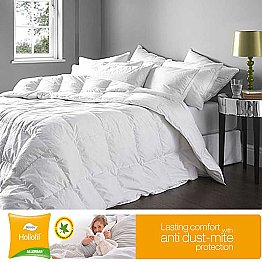
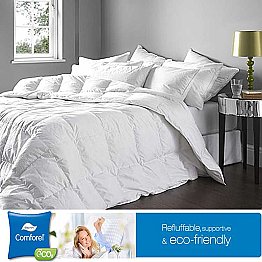
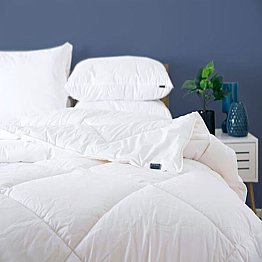
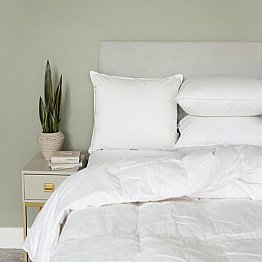
A microfibre duvet with a smooth drape looks elegant on the bed, especially when paired with crisp white cotton covers or patterned duvet sets. Their lightweight structure also makes bed-making easier.
Why Buy Microfibre Duvets from Duvets Direct?
We specialise in high-quality bedding, meaning our microfibre duvets aren’t just another generic product. We select fillings with superior softness, loft, and longevity, so you get the comfort of a high-end duvet without the high-end price tag.
FAQs
Q: What is the difference between microfibre and hollowfibre duvets?
A: Microfibre duvets use finer, softer fibres for a down-like feel, while hollowfibre duvets are thicker and springier.
Q: Are microfibre duvets good for allergy sufferers?
A: Yes, they’re naturally hypoallergenic and can be treated for extra anti-allergy protection.
Q: Can microfibre duvets be washed at home?
A: Absolutely, most are machine washable at 40°C and quick drying.
Q: Do microfibre duvets keep you warm in winter?
A: Yes, choose a higher TOG or an all-season option for colder months.
Q: Are microfibre duvets heavy?
A: No, they’re lightweight yet warm, making them ideal for those who dislike heavy bedding.
Q: How long does a microfibre duvet last?
A: With care, a good quality microfibre duvet can last up to 8–10 years.
Conclusion – The Smart Choice for Everyday Luxury
A microfibre duvet offers an unbeatable combination of comfort, convenience, and value. Whether you’re buying for your own bed, a child’s room, or a guest space, microfibre delivers a cosy, lightweight sleep experience without the drawbacks of some natural fillings.
By choosing a quality microfibre duvet from Duvets Direct, you’re investing in restful nights, easy maintenance, and a product that will serve you well for years.